Green Key Gold
Wednesday, 16 March 2022
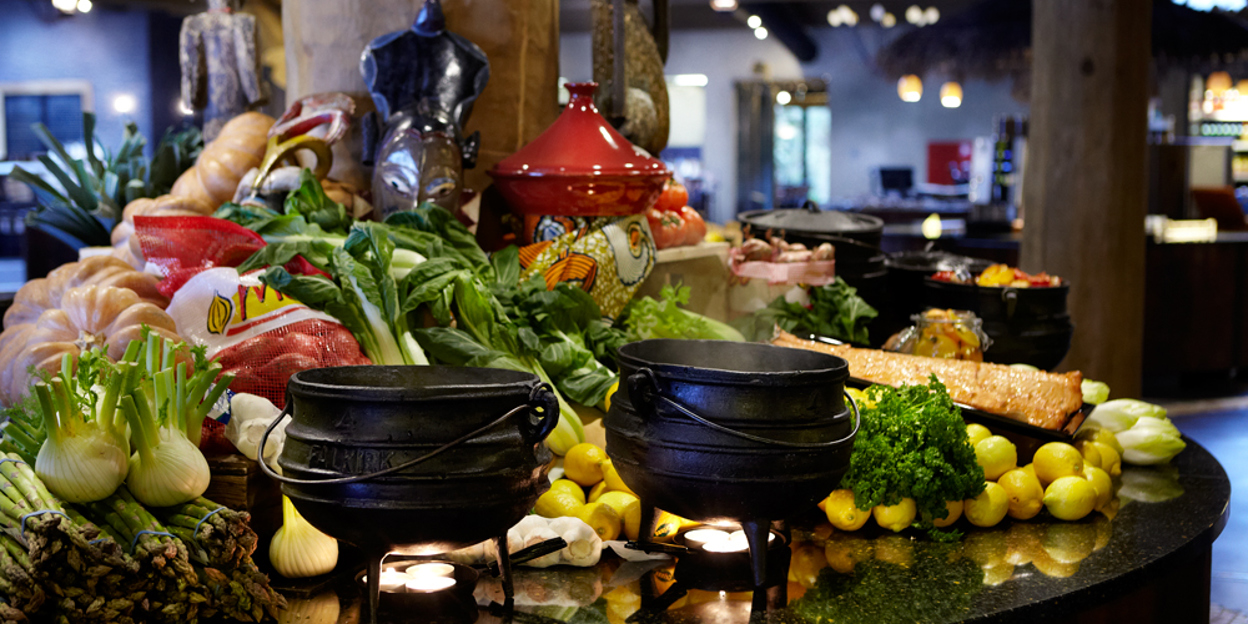
Royal Burgers' Zoo has been a proud holder of Green Key Gold since the recreation & leisure industry and business market category was added to the sustainable business eco-label in 2004. In the Netherlands, the eco-label comprises many compulsory standards and several optional standards. The extent to which an organisation meets the optional standards determines whether it is awarded Bronze, Silver or Gold.
The international hallmark assesses an organisation's sustainable entrepreneurship in the following areas: management (compliance with regulations), communication, social involvement, water, cleaning, waste, energy, building and greenery, guest and employee mobility, food and drink, purchasing and textiles. A concrete, practical example is discussed each month in a series of articles on sustainable entrepreneurship at Burgers' Zoo.
Combating food waste, fair trade and Good Fish
Burgers' Zoo welcomes over 1.1 million visitors each year. Many people take a break during their visit to enjoy some food and drink at one of our zoo's several restaurants. We also have a modern conference centre in the middle of our zoo for business groups—the Safari Meeting Centre. And the tens of thousands of animals divided into hundreds of different species also require feeding every day. These hungry and thirsty bodies consume very large quantities of food and drink each year.
Burgers' Zoo has invested a lot of effort in reducing food waste. The quantities consumed each day are accurately charted, and the purchasing policy is adjusted accordingly. With accurate forecasts based on a large amount of factual data, we ensure that the surplus is as small as possible at the end of the day.
We also pay great attention to certain residual products' efficient use and reuse. For example, freshly cut vegetable scraps can be a tasty ingredient for a freshly made soup, and certain fresh food scraps can feed various species. However, this is very complex as each species is fed a carefully devised menu. The waste that cannot be reused is separated, e.g. glass, paper, plastic, biological material.
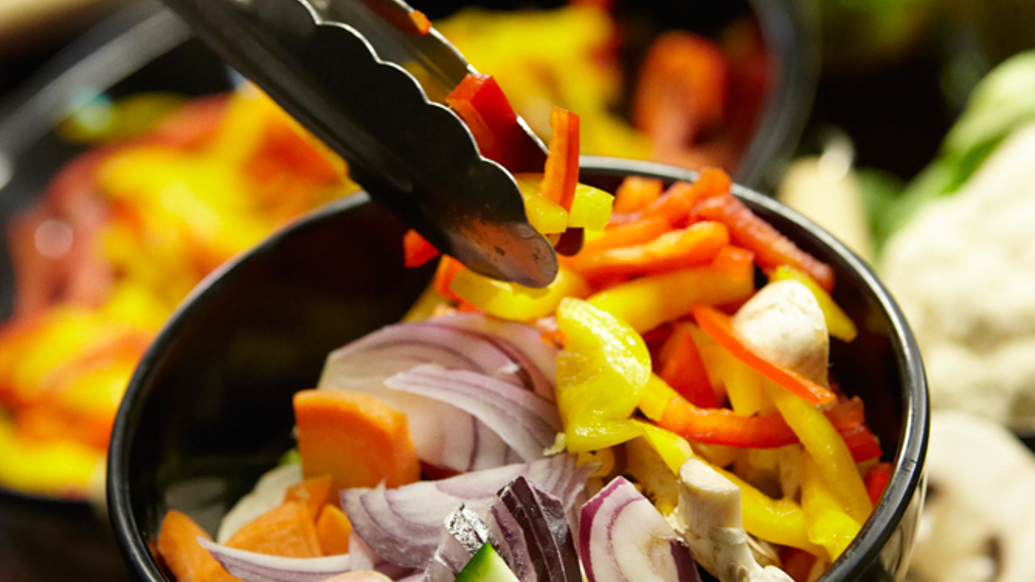
Burgers' Zoo’s hospitality sector uses fair trade products, including coffee from Peeze, which provides poor coffee farmers in various parts of the world with a better income in a sustainable and socially responsible manner.
We also pay a great deal of attention to working with regional products—e.g. coffee from Peeze in Arnhem and snacks from Harskamp—and sourcing raw materials from a single supplier as much as possible to reduce transport kilometres and thus CO2 emissions.
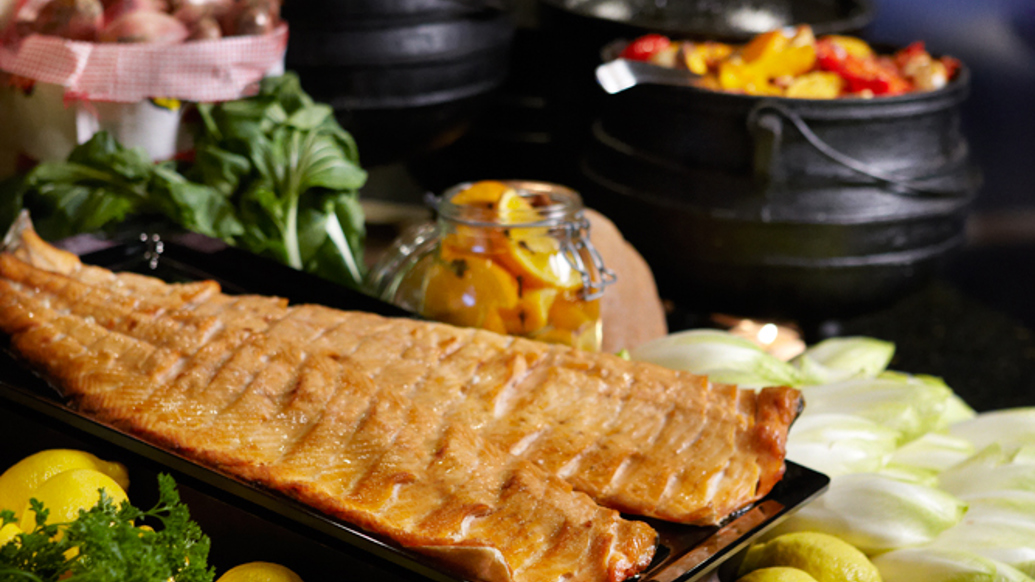
The fish species used in the menus are purchased following the VISwijzer, published by the Dutch organisation Good Fish. The VISwijzer is an extensive guide to purchasing fish species that are not threatened by mass fishing. We also produce as many dishes as possible ourselves without adding preservatives.
These are just a few practical examples of a well-thought-out working method and purchasing policy in Burgers' Zoo's hospitality sector. By setting a good example, we can combat food waste in a socially responsible way, make a case for fairer wages in developing countries and choose products that have been cultivated sustainably. We strive to offer our visitors fair, traditionally prepared products, most of which are freshly made.
Also interesting

Adventurous firefly sparks spectacular light show at Burgers’ Zoo
Seven years since the last edition, Burgers’ Zoo is organising a reimagined version of its enchantin…
22 September 2026

Burgers' Zoo developing world's largest seagrass aquarium
Royal Burgers’ Zoo is developing the world’s largest seagrass aquarium, with a volume of over 50,000…
6 August 2026

Burgers' Zoo opens Desert after extensive remodelling
After months of work to renovate a large section of the Desert, Royal Burgers’ Zoo reopens the Ameri…
9 July 2026